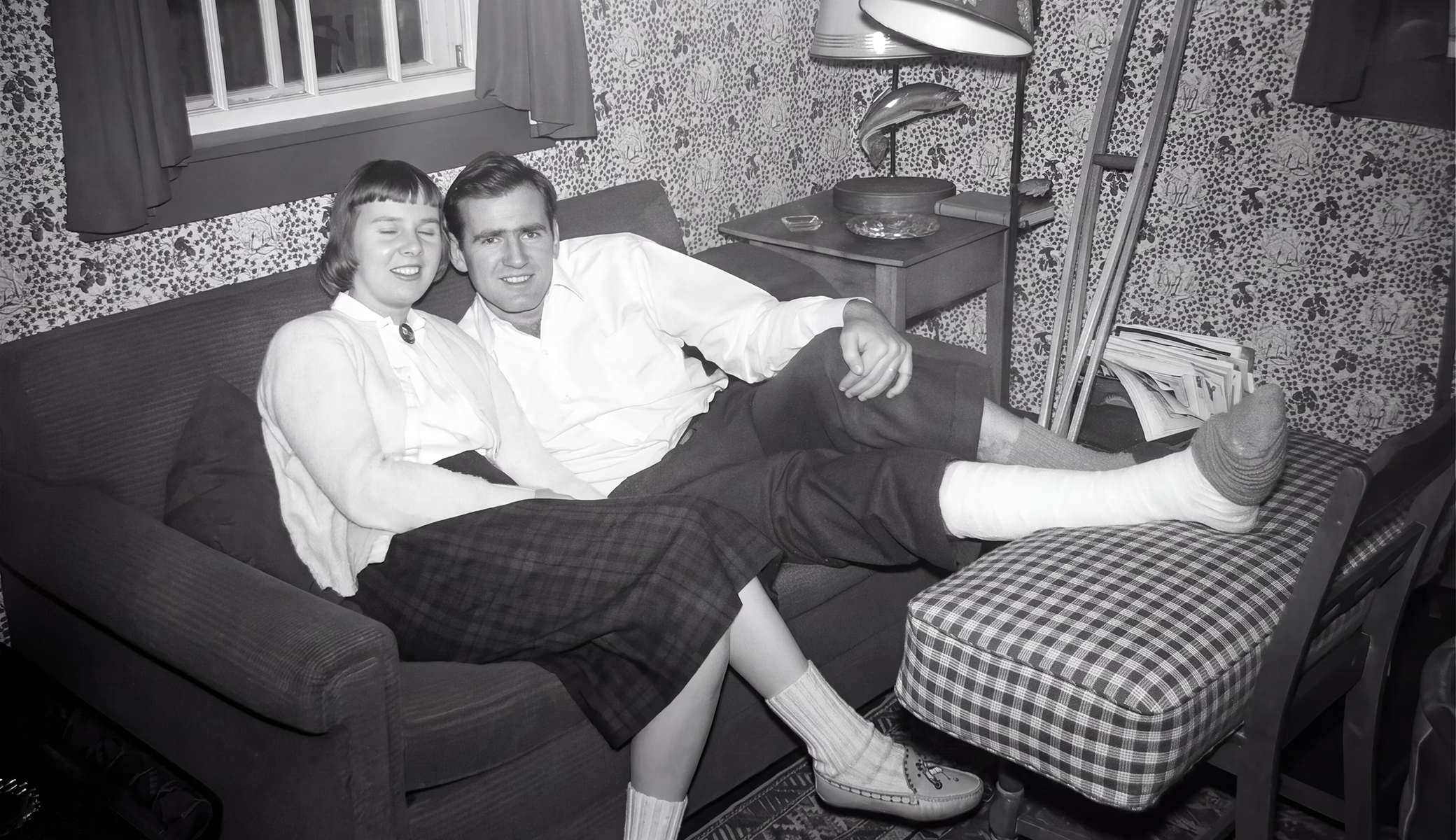
Harold Sewall Williams opened the Ulla Lodge on New Year’s Day, 1949. Everyone called him Sewall. Four years earlier he had been an infantryman in Italy with the 10th Mountain Division, the Army’s ski troops, and the lodge he built came straight out of that war.
Camp Hale
The 10th Mountain wanted volunteers who could handle altitude, cold and a week alone in the mountains. Minnie Dole, founder of the National Ski Patrol, screened them. Each man needed three letters of recommendation and a completed questionnaire. Sewall joined the division at Camp Hale, Colorado, in July 1943. He was 18.
The camp sat at 9,600 feet, and the men trained on skis and snowshoes as high as 14,000. They fought frostbite, snow blindness and avalanches. Sewall recalled that about a quarter of the original volunteers came from New England, and plenty of them loved it. On weekends they went skiing at Aspen.
In the summer of 1944 the Army sent the division to Texas. Sewall dropped from 182 pounds to 164 in his first month there, then landed a job teaching swimming while the rest of the troops marched in the heat.
Italy
The division shipped to Italy around Christmas 1944. Through January and early February its best skiers ran patrols to find the enemy’s guns and positions. In February 1945 the troops climbed Riva Ridge at night, up a rock face the Germans hadn’t bothered to guard. The next day Sewall was in the attack on Mount Belvedere. “That’s where we took really an awful beating,” he said in 1992.
After the fighting in Europe ended, Sewall was training for a swimming meet when polio hit him from the waist down. He got out of the hospital two weeks before Christmas, 1945.
A lodge to get back on his feet
Sewall went home and finished prep school. Instead of college, he wanted work that would rebuild the strength in his legs. A ski lodge, he figured, would have him skiing about an hour a day. He heard that a new area called Mad River Glen was opening with few places for skiers to stay, so he and his mother drove up to look. On the road to the mountain they found a farmhouse, a separate barn and a silo. They bought it, along with the house next door, and put the parking lot between them.
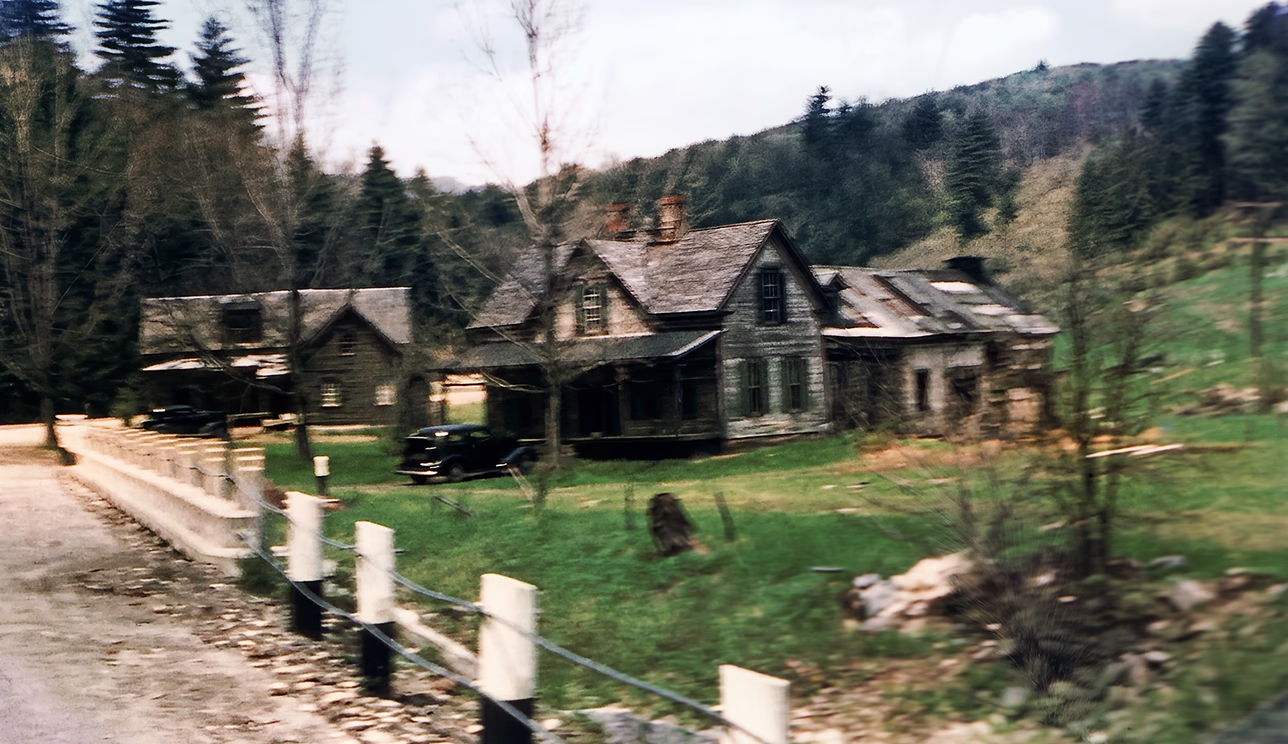
He took the name from the 10th Mountain. As Sewall told it, a regiment of Scandinavians in the division taught the troops songs about Ull, the patron of skiers, and he thought Ulla fit well with the word lodge. At the Base Box, Mad River Glen’s base lodge, he led his guests in the old 10th Mountain songs.
The ski troops of the valley
Sewall had company on the Mad River road. Henry Perkins, who opened the Perkins Lodge half a mile away that same season, had served too. Sewall called him the oldest enlisted man in the 10th Mountain’s New England chapter. Bud Phillips, who ran the Mad River Glen ski school, was 10th Mountain. So were Jack Murphy, the mountain’s manager, who later helped Damon Gadd build Sugarbush, and Cliff Taylor, who taught for Phillips and invented the short ski.
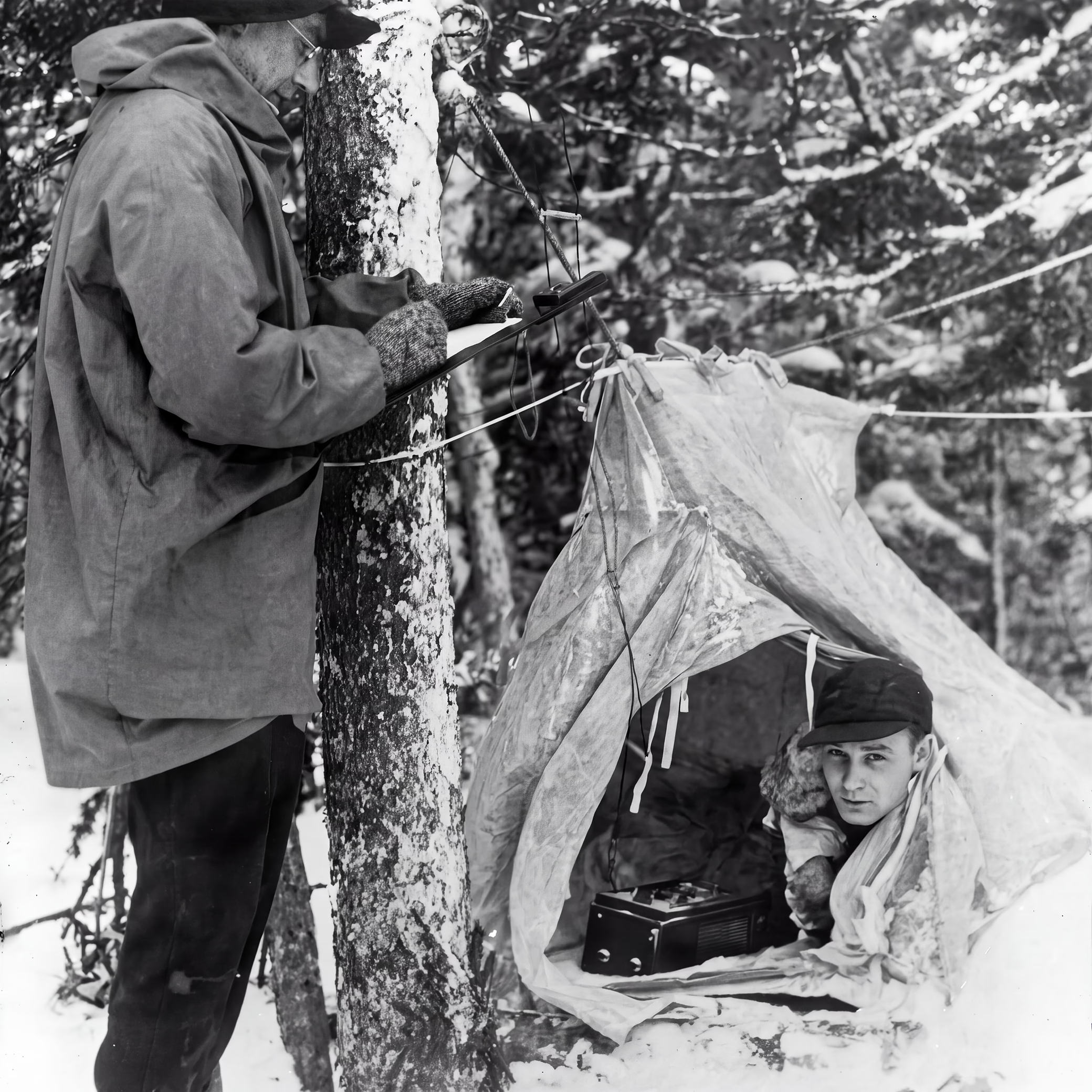
Henry Perkins and John Dick, inside a tent with a short-wave radio, timing a race on the Wildcat ski trail, Pinkham Notch, 1935.
Across the country, 10th Mountain veterans started ski schools, opened lodges, edited ski magazines and built ski areas. Sewall believed the division “pushed skiing ahead of its time.”
Years later, at a 10th Mountain reunion, Sewall mentioned the Ulla Lodge, and a fellow veteran said he and his wife had spent their honeymoon there. Sewall remembered them. Their room sat under the living room, where guests sang along to bagpipe records late into the night, and the couple hadn’t looked happy the next morning.
After Ulla Lodge
Sewall ran Ulla Lodge through four snow-poor winters, 1948 through 1952, then sold it to Damon Gadd. He came back to the valley to run Sig Buchmayr’s ski shop at Sugarbush and spent about 15 years in ski and sport shops. In 1992, at 66, he and Henry Perkins, then 92, were planning a trip to Vail for the 50th reunion of the ski troops. In 2003 the Vermont Ski Museum inducted Sewall into the Vermont Ski Hall of Fame, as one of the more than 260 Vermonters who served in the 10th Mountain Division.
Drawn from Sewall Williams’ interviews with Jane Beck for the Vermont Folklife Center’s Mad River Valley Project: with Henry Perkins in 1992, and on his own in 1994.